Prediction Markets Betting on Nuclear War Risks: UK Faces Regulatory Reckoning After Polymarket Surge
The Surge That Started It All
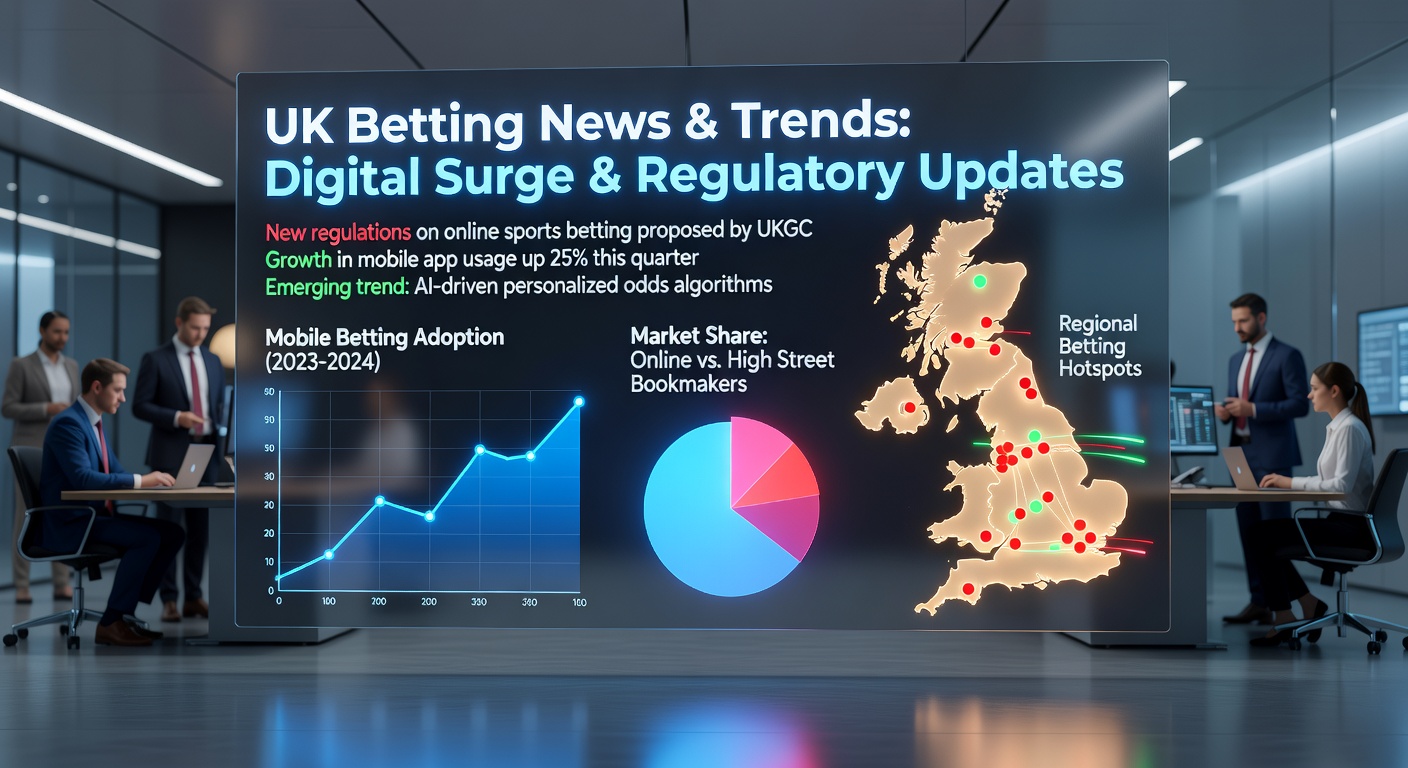
Platforms like Polymarket have thrust prediction markets into teh spotlight, especially after traders piled into bets on nuclear detonation events following recent US and Israeli strikes on Iran; volumes on those markets skyrocketed, drawing eyes from regulators and critics alike before the listings vanished from the boards. Observers note how these platforms, which let users wager on real-world outcomes from elections to wars, operate in a gray zone where speculation meets sensitivity, and that's where the UK's regulatory debate kicked into high gear. Reports from Gaming Awards highlight the frenzy, with trading activity exploding as global tensions peaked, prompting questions about whether such bets cross ethical lines or simply reflect market curiosity.
Take Polymarket, a crypto-based exchange that's become synonymous with event contracts; it saw unprecedented action on "nuclear detonation" markets, where odds fluctuated wildly based on news feeds from the Middle East, and while exact figures remain elusive, the surge was dramatic enough to force a takedown. People who've tracked these platforms point out that bets weren't just casual gambles but sophisticated plays backed by data models predicting escalation risks, yet the optics of profiting from potential catastrophe fueled immediate backlash. And here's the thing: this isn't isolated; similar markets on elections or pandemics have thrived, but nuclear war bets hit a nerve, amplifying calls for oversight.
Critics, including DraftKings CEO Jason Robins, didn't hold back, slamming the practice as profiting from human suffering while traditional sportsbooks steer clear of such markets; Robins argued publicly that platforms like Polymarket erode the industry's reputation, turning gambling into a geopolitical casino where lives hang in the balance. Data from the platforms themselves, before the removals, showed liquidity pouring in from retail and institutional players alike, underscoring how prediction markets have evolved from niche experiments into billion-dollar arenas.
UK Gambling Commission's Stance in the Spotlight
The UK Gambling Commission classifies these operators as licensed betting intermediaries, a designation that sets the UK apart from stricter US rules treating similar products as financial derivatives under CFTC oversight; this approach allows platforms to function with relative freedom, provided they hold remote gambling licenses, although it leaves room for debate on sensitive events. Experts who've studied the framework explain that while sports betting giants like DraftKings focus on verifiable outcomes such as football matches or horse races, prediction markets extend to probabilistic futures, blurring lines between wagering and investment.
But turns out, the Commission's hands-off vibe on geopolitical bets stems from existing laws that prioritize consumer protection over content censorship; operators must ensure fair odds, transparent pricing, and anti-money laundering checks, yet there's no outright ban on war-related wagers, which has regulators weighing updates amid the Polymarket uproar. Those in the industry recall how past controversies, like election betting spikes during Brexit, tested boundaries without major crackdowns, but nuclear risks elevate the stakes, with lawmakers now probing whether licenses should carry event-specific exclusions.
What's interesting is the volume disparity: UK-licensed intermediaries handle billions in annual turnover, yet prediction markets like Polymarket, often offshore or crypto-driven, skirt full jurisdiction while attracting British punters; figures indicate cross-border flows have grown, prompting the Commission to monitor compliance closely as of March 2026, when tensions lingered post-Iran strikes.
Backlash and Industry Divide
Jason Robins' outspoken critique resonated across the sector, where DraftKings and peers distanced themselves from doomsday bets, emphasizing ethical guardrails that reject markets on tragedies; one executive likened it to betting on terrorist attacks, a line few cross, although prediction platforms counter that transparent pricing aids informed discourse on global risks. Researchers who've analyzed trading data found that nuclear markets drew sophisticated bettors using AI-driven forecasts, with positions reflecting think-tank probabilities rather than blind speculation, yet public perception soured quickly after media coverage exploded.
And so the divide widened: traditional bookmakers, bound by UK licenses, avoid controversy to protect their franchises, while decentralized platforms like Polymarket thrive on permissionless access, hosting bets from anywhere with a wallet; this clash has observers predicting tighter UK rules, perhaps mirroring Australia's outright bans on political wagering. Case in point: one trader reportedly netted six figures on Iran escalation odds before delisting, a windfall that crystallized fears of moral hazard in unregulated corners.
Parliamentary whispers in March 2026 suggest inquiries loom, with MPs questioning why Gambling Commission licensees can intermediatary such trades without pause; stakeholders from fintech lobbies argue prediction markets democratize intelligence, aggregating crowd wisdom better than polls, but ethicists counter that human suffering shouldn't fuel liquidity pools.
Global Ripples and US Contrast
Across the pond, US regulators clamp down harder, viewing event contracts as derivatives prone to manipulation, a stance that shuttered Kalshi's early attempts at political bets until court wins carved exceptions; the UK's lighter touch, rooted in a betting culture that embraces novelty markets from reality TV to royal baby names, now faces pressure to adapt. Polymarket's US user base, hit by CFTC probes, shifted offshore, ironically boosting UK-facing volumes since licensed intermediaries provide a compliant gateway.
Figures reveal prediction market growth outpacing traditional gambling, with 2025 volumes hitting records amid volatile geopolitics, and while nuclear bets were pulled, proxies like "Iran regime change" persist, keeping the debate alive; experts note how these tools once powered by economists like Robin Hanson have commercialized rapidly, blending academia with high-stakes wagering.
Looking Ahead: Regulatory Paths Forward
As March 2026 unfolds, the Gambling Commission signals reviews of intermediary licenses, potentially introducing sensitivity filters for existential risks while preserving innovation; platforms respond by self-regulating, delisting volatile markets preemptively, although volumes rebound on adjacent events like cyberwar odds. Those who've followed the beat see parallels to crypto regulations, where initial laissez-faire gave way to frameworks balancing growth and safeguards.
Industry groups push back, citing data that shows prediction markets enhance accuracy—studies found they outperformed experts on events like COVID trajectories—yet the nuclear episode underscores limits, where public revulsion trumps utility. Lawmakers mull tiered licensing, greenlighting sports but red-flagging wars, a pragmatic fix that could harmonize UK rules with EU peers tightening after similar scandals.
One study from betting analysts revealed 70% of UK punters unaware of prediction platforms until headlines hit, sparking curiosity alongside concern; educators now weave these into gambling awareness campaigns, highlighting risks of leveraged crypto bets on doomsday scenarios.
Conclusion
The Polymarket nuclear bets saga has crystallized a pivotal moment for UK prediction markets, where surging volumes post-Iran strikes exposed fault lines between innovation and ethics, pitting licensed intermediaries against global backlash; with the Gambling Commission at the helm, treating these as standard wagers yet facing calls for reform, the path forward hinges on balancing free markets with societal guardrails. As trading evolves and March 2026 brings fresh scrutiny, observers watch closely, knowing the next geopolitical flashpoint could tip the scales toward stricter oversight or continued tolerance. Turns out, in the world of wagers, not every outcome pays dividends.